
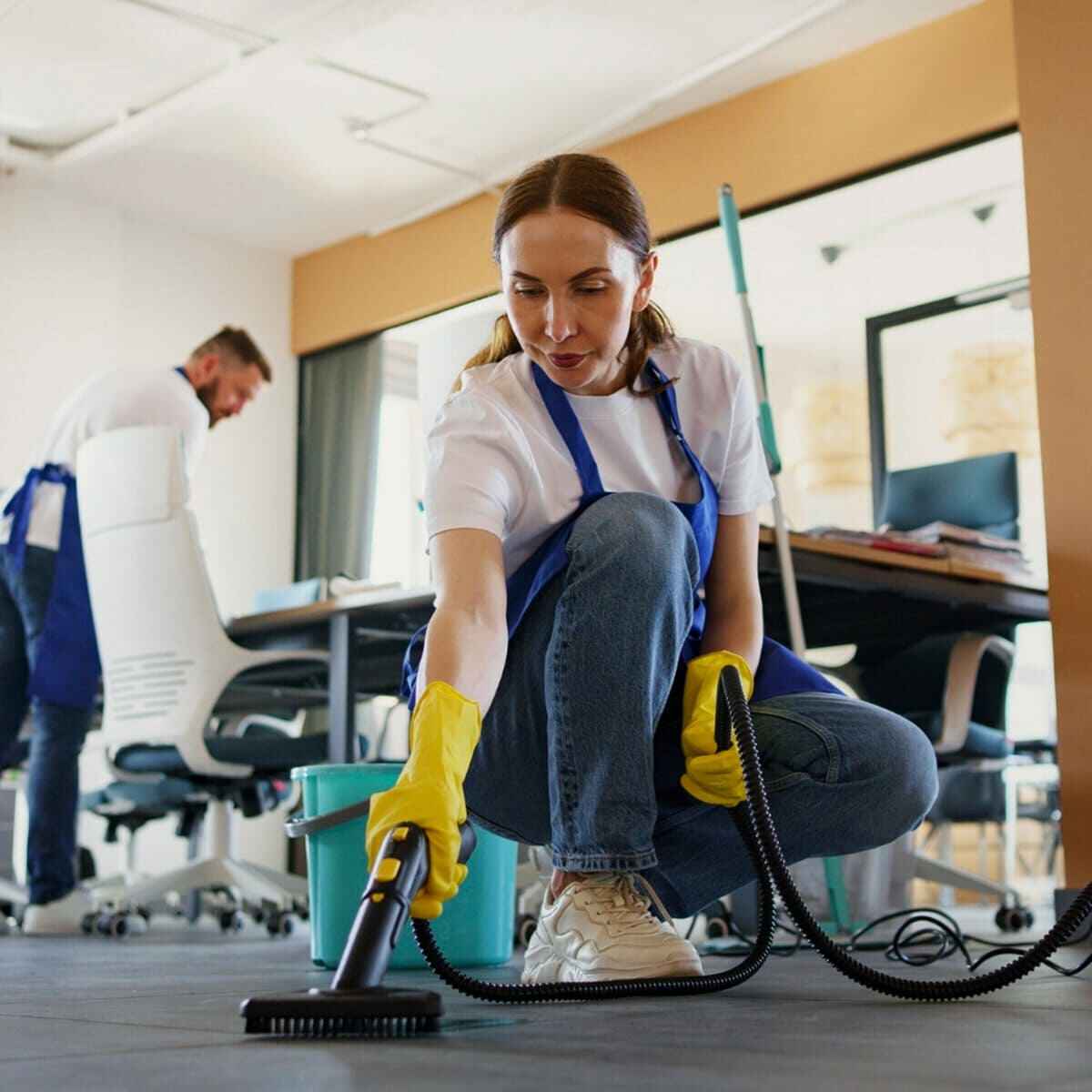
A real deep clean is not about scrubbing every inch of your house until you are exhausted. It is about cleaning the areas regular routines miss, working in the right order, and spending your time where it makes the biggest difference.
This deep clean checklist gives you a practical system you can follow room by room without turning your weekend into an endless list of chores.
The Best Order to Deep Clean a House
Before choosing a room, choose a system. One of the biggest mistakes homeowners make is starting with whatever looks dirty first. That often means cleaning the same surface twice.
A more efficient approach is:
- Declutter first
Get clothing, toys, toiletries, dishes, papers, and other loose items off the surfaces you need to clean. You should not be reorganizing a drawer while holding a spray bottle.
- Work from high to low
Start with ceiling fans, light fixtures, vents, cabinet tops, and shelves. Dust will fall, so save lower surfaces and floors for later.
- Do dry cleaning before wet cleaning
Dust and vacuum first, then use sprays, degreasers, and other wet products. Spraying a dusty surface usually creates muddy streaks instead of removing the dust.
- Give products time to work
Professional cleaners do not necessarily scrub harder — they often let the product do more of the work. Apply the appropriate cleaner to greasy or grimy surfaces, allow the recommended dwell time, then wipe or scrub.
- Finish with the floors
Vacuuming and mopping should be among the last tasks in a room. Otherwise you will drop dust and debris onto a floor you already cleaned.
That simple sequence makes almost any deep cleaning house checklist faster and easier to complete.
Deep Cleaning vs. Regular Cleaning: What Is the Difference?
Regular cleaning is maintenance. It keeps a reasonably clean home under control: counters are wiped, toilets are cleaned, visible dust is removed, and floors are vacuumed or mopped. If that is what you are looking for, our routine house cleaning checklist covers the daily, weekly and monthly version of the job.
Deep cleaning goes after buildup. Instead of wiping the bathroom counter, you clean around the faucet base, cabinet fronts, backsplash, edges, and accumulated residue. Instead of vacuuming the bedroom floor, you vacuum beneath the bed and along the baseboards. Instead of wiping the stovetop, you degrease the surrounding backsplash, knobs, cabinet fronts, and range hood.
A good deep cleaning checklist focuses on three categories that routine cleaning often skips:
- Buildup that needs more time or agitation
- Surfaces that are difficult to reach
- Details that are easy to ignore until they become visibly dirty
That is also the biggest difference between an ordinary cleaning list and a professional deep cleaning checklist. Professionals look for what is not immediately obvious. If you want the two compared side by side, task for task, see our regular vs deep cleaning comparison.
Tell us about your home and we'll send a firm price for a one-time deep clean. No obligation.
What You Actually Need Before You Start
You do not need a cabinet full of specialized products. For most homes, a practical kit includes:
- Microfiber cloths — keep one dry for dusting, and separate cloths for bathrooms and kitchens
- A vacuum with attachments
- A mop
- A non-scratch sponge
- A small detail brush or old toothbrush
- An appropriate bathroom cleaner
- A degreaser
- Glass cleaner
- A general surface cleaner
Always check the manufacturer's instructions before using a product on natural stone, hardwood, stainless steel, painted cabinetry, electronics, or other delicate surfaces.
Never mix bleach with ammonia, vinegar, or other acidic cleaners. The combination produces toxic fumes.
Start With the Whole House, Not Individual Rooms
Before focusing on kitchens and bathrooms, take care of the details that repeat throughout the house.
Walk through each room and look upward first. Ceiling fan blades can hold surprisingly thick layers of dust. Air-return covers, vents, light fixtures, door frames, and the tops of tall furniture are also commonly missed.
Then bring your attention downward. Wipe noticeable fingerprints from doors and door frames. Clean light switches and frequently touched handles. Check window sills, blinds, baseboards, and the narrow gaps between furniture and walls.
This is where a house deep cleaning checklist becomes especially useful. Deep cleaning is less about finding one spectacularly dirty surface and more about catching dozens of small areas that routine cleaning leaves behind.
Prioritize visible buildup
Not every baseboard needs ten minutes of scrubbing. Start with kitchens, bathrooms, entryways, pet areas, and other high-traffic zones. A baseboard behind a guest-room dresser that is already clean does not deserve the same attention as the greasy trim beside a kitchen trash can.
Good deep cleaning is thorough — but it is also selective.
Deep Cleaning the Kitchen
The kitchen usually deserves the largest share of your time because grease, food residue, dust, and moisture combine to create buildup that simple wiping will not remove.
Start high
Look at the top of the refrigerator, range hood, cabinet tops, upper cabinet doors, and light fixtures. Dust these before you begin working on counters or appliances.
Then work the grease zone
The stovetop, backsplash, hood, microwave, cabinet fronts, and nearby handles. Grease often extends farther from the stove than homeowners expect, especially if the kitchen is used frequently.
Instead of aggressively scrubbing immediately, apply a surface-safe degreaser and let it sit according to the label. While it works, clean another area.
Then the appliances
Wipe the refrigerator exterior and handles, clean the microwave inside and out, detail the stovetop, and wipe the dishwasher front. If your deep clean house checklist includes the inside of the oven or refrigerator, consider doing those as separate projects — either one can easily add significant time.
Do not forget the edges
The narrow space beside the stove, the area where the backsplash meets the counter, the underside of cabinet handles, and the base of the faucet are places where grime quietly accumulates.
Finish with the sink, cabinet fronts, trash can exterior, baseboards, and floor.
If you are preparing an empty home for new occupants, this is also where a more intensive move-in/move-out cleaning can make sense, because cabinet interiors, appliances, and normally inaccessible areas are much easier to reach.
Deep Cleaning the Bathroom
Bathrooms are less about dust and more about buildup. Soap residue, hard-water deposits, body oils, hair, and moisture can accumulate even in bathrooms that are cleaned regularly.
Apply bathroom cleaner to the shower or tub first so it has time to work while you clean the rest of the room. Focus especially on corners, grout lines, faucet bases, glass-door edges, shower tracks, and areas around bottles or fixtures.
With hard-water buildup or heavy soap scum, repeated gentle treatment is often safer than immediately reaching for the harshest chemical or an abrasive pad.
Move next to the vanity. Remove everything from the counter so you can clean the entire surface rather than wiping around toothbrush holders and toiletries. Detail the faucet, sink rim, cabinet fronts, handles, mirror edges, and backsplash.
Then clean the toilet from cleaner areas to dirtier areas: tank and handle first, then seat and exterior, and finally the bowl and base.
One small area makes a surprising difference: the floor behind and beside the toilet. It is commonly missed during routine cleaning and collects dust, hair, and residue.
A useful deep cleaning list for the bathroom should also remind you to look at the exhaust vent, light fixtures, towel bars, door edges, and baseboards rather than concentrating exclusively on the shower.
Hard water, grout and soap scum are the tasks people most often hand over. We can take just the bathrooms if that is all you need.
Bedrooms: Focus on Dust, Fabric, and Hidden Areas
Bedrooms usually do not need the same level of scrubbing as bathrooms or kitchens. The challenge is dust.
Strip the bed before cleaning so you can wash the sheets and mattress protector while working on the room.
Dust from the top down: fan blades, lamps, headboards, furniture, window sills, and baseboards. Then vacuum the mattress surface if appropriate and use your vacuum attachments around the bed frame and upholstered furniture.
One of the most valuable tasks in any deep cleaning house checklist is cleaning beneath the bed. You do not necessarily need to move a heavy bed frame, but reach as far underneath as you safely can.
Pay attention to the edges of carpeted rooms. Standard vacuuming tends to clean the centre of a room well while dust slowly builds along baseboards, behind nightstands, and in corners.
For hard flooring, vacuum or sweep carefully before mopping, and avoid oversaturating hardwood and laminate.
Living Rooms and Other Common Areas
Living rooms often look clean before they actually are. The largest hidden dust reservoirs are usually upholstered furniture, rugs, curtains, electronics, shelves, and the areas underneath sofas and chairs.
Remove sofa cushions and vacuum underneath them. Use the appropriate attachment on upholstery and get into the crevices where crumbs and pet hair collect. If the fabric itself is stained or holding odour, that is a job for upholstery cleaning rather than a vacuum.
Dust electronics carefully with a dry or slightly damp microfiber cloth appropriate for the surface. Never spray cleaner directly onto a television or monitor.
Move lightweight furniture if practical. There is little value in struggling with a 300-pound sectional, but moving a side table or small chair can uncover months of dust in seconds.
This is also a good time to clean lamp bases, picture frames, window sills, blinds, coffee tables, furniture legs, remotes, and frequently touched switches. A professional deep cleaning checklist usually emphasizes these small touchpoints because they are the details that make a finished room feel noticeably cleaner.
Entryways, Hallways, and Laundry Areas
These spaces rarely get their own cleaning day, which is exactly why they deserve attention during a deep clean.
Entryways collect outside dirt quickly. Clean the interior of the front door, handle, trim, baseboards, shoe-storage area, and floor edges. Shake out or vacuum entrance mats.
In hallways, look for fingerprints on walls, doors, and switches. Vacuum stair edges and dust railings if applicable.
The laundry room is another easy-to-ignore area. Wipe washer and dryer exteriors, clean detergent residue from surfaces, vacuum lint and dust around the machines, and clean the floor.
If your dryer vent or appliance requires maintenance beyond normal accessible cleaning, follow the manufacturer's instructions or use an appropriate professional rather than disassembling equipment you are unfamiliar with.
How Long Does a Deep Clean Take?
There is no honest universal answer. A small, well-maintained home might take one person four to six hours. A larger home with several bathrooms, pets, heavy buildup, or clutter can easily require a full day or longer.
Instead of trying to complete your entire house deep cleaning checklist in one exhausting session, divide the job based on difficulty. For example:
- Friday evening
Declutter and wash bedding.
- Saturday morning
Kitchen and bathrooms — the two rooms with the most buildup.
- Saturday afternoon
Bedrooms and living areas.
- Sunday
Overlooked areas, vacuuming, mopping, and final details.
Another option is to deep clean one zone each week. The result is the same, and you are less likely to rush the difficult work.
How Often Should You Deep Clean Your House?
Most homes do not need a complete top-to-bottom deep clean every month.
High-use areas such as kitchens and bathrooms may need deeper attention every few months, while tasks such as cleaning behind large appliances, washing rarely used light fixtures, or thoroughly cleaning storage areas may only be necessary once or twice per year.
Instead of thinking of an annual cleaning checklist as one enormous spring-cleaning day, spread those tasks across the year — deep clean the kitchen in January, tackle windows and blinds in spring, clean upholstery and under furniture in summer, and take care of closets and storage areas in fall.
Your annual cleaning checklist should also reflect your household. Homes with pets, children, allergies, frequent guests, or heavy cooking may need certain tasks more often. In coastal Florida there is a seasonal layer on top of that — our snowbird open-up and close-down guide covers what changes when a home sits empty through the humid months.
The Complete Deep Clean Checklist
Use this as your master list. You do not need to complete every item every time — check what applies to your home.
Whole house
- Declutter surfaces and floors
- Remove cobwebs
- Dust ceiling fans and light fixtures
- Dust vents and air-return covers
- Wipe doors, frames, and handles
- Clean light switches and touchpoints
- Dust blinds and window sills
- Wipe dirty baseboards
- Vacuum under accessible furniture
- Vacuum carpet edges and corners
- Mop appropriate hard floors
Kitchen
- Dust cabinet tops and refrigerator top
- Degrease stovetop and surrounding surfaces
- Clean range hood exterior
- Wipe cabinet fronts and handles
- Clean microwave inside and outside
- Wipe refrigerator and dishwasher exteriors
- Clean countertops and backsplash
- Detail sink and faucet
- Clean trash can
- Clean oven and refrigerator interiors if needed
- Vacuum and mop floor
Bathrooms
- Clean shower or tub thoroughly
- Remove soap scum and mineral buildup
- Clean shower tracks and accessible grout
- Detail sink, faucet, and vanity
- Clean mirrors
- Wipe cabinet fronts and handles
- Clean toilet completely, including base
- Dust exhaust vent and fixtures
- Clean behind toilet
- Vacuum and mop floor
Bedrooms
- Wash bedding and mattress protector
- Dust fan, lights, furniture, and headboard
- Clean mirrors and window sills
- Vacuum mattress if appropriate
- Vacuum under bed
- Clean floor edges
- Vacuum or mop floors
Living areas
- Dust shelves, décor, and electronics
- Vacuum sofa and under cushions
- Vacuum under accessible furniture
- Clean tables and furniture legs
- Dust blinds and window sills
- Clean remotes and touchpoints
- Vacuum rugs and carpets
- Mop hard flooring
This master deep cleaning list works best as a framework rather than a rulebook. Adjust it for your flooring, surfaces, household, pets, and how long it has been since the last detailed cleaning.
Frequently Asked Questions About Deep Cleaning
A deep clean should include routine cleaning plus areas that are normally skipped: ceiling fans, vents, baseboards, door frames, cabinet fronts, appliance details, shower buildup, grout, furniture crevices, and hard-to-reach floor areas. A good deep clean checklist prioritizes accumulated dirt and neglected areas rather than simply repeating everyday chores.
Declutter first, then work from top to bottom. Dust before using wet products, allow cleaners time to work, clean high-detail areas such as kitchens and bathrooms, and finish with vacuuming and mopping. Following this order makes any deep clean house checklist more efficient.
Not necessarily. Spring cleaning often includes decluttering, organizing, maintenance, and seasonal projects. Deep cleaning is specifically focused on removing accumulated dirt and buildup. You can use a deep cleaning checklist during spring cleaning, but the two terms do not mean exactly the same thing.
Services vary by company and by home, but a professional deep clean typically adds detailed attention to surfaces that are not included in routine maintenance cleaning. When comparing companies, ask what their professional deep cleaning checklist covers and whether tasks such as oven interiors, refrigerator interiors, interior windows, or heavy buildup are included or priced separately.
Deep Cleaning Does Not Have to Be an All-Day Project
The goal is not to clean everything simply because it appears on a deep cleaning house checklist. Start with the areas that have the most buildup, work in the right order, and spend your energy where it will have the greatest impact.
If you would rather hand the detailed work over to someone else, a professional deep cleaning service can take care of the harder, time-consuming tasks while you get your day back. DS Cleaning Services works across Sarasota, Bradenton and Lakewood Ranch.

Nadiia Soroka is the owner of DS Cleaning, a professional residential cleaning company serving Sarasota, Bradenton, and the surrounding Gulf Coast.
More articles by Nadiia →