
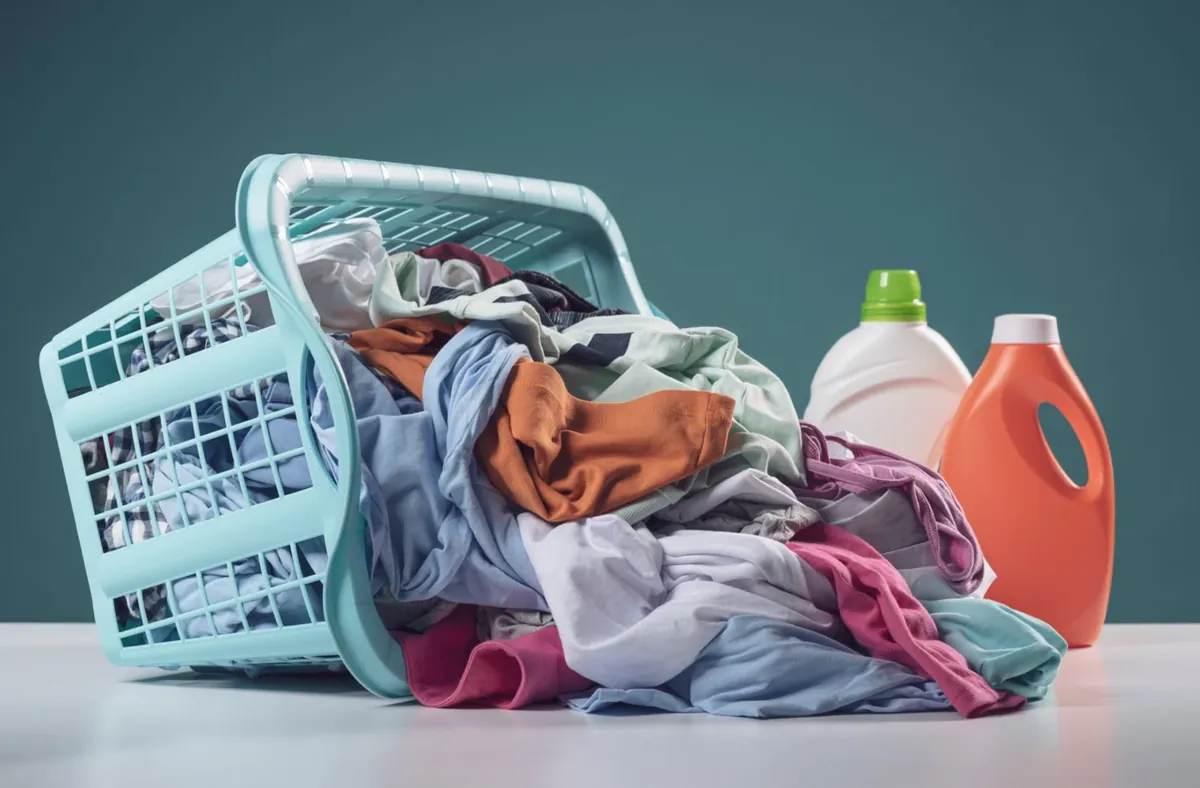
If you have ever looked at a half-full basket of whites and another half-full basket of darks and thought “do I really need to run two separate loads?” — you are definitely not the only one.
The practical answer is: usually yes, but not always.
You do not need to treat every color like it needs its own private washing machine. For most households a simple system works fine: keep whites and very light clothes away from darker items, be careful with anything new or brightly colored, and separate heavy or delicate fabrics when it makes sense. That is really the goal — not perfect sorting, just avoiding the combinations that actually cause problems.
Do You Have to Separate Laundry?
Technically, no. You can throw a bunch of clothes together and, a lot of the time, nothing dramatic will happen. Your white socks probably will not turn pink. Your black T-shirt probably will not destroy everything else in the load.
But over time, mixing everything together causes small problems that add up. White clothes start looking dull. New dark clothes transfer dye. Towels leave lint behind. Heavy fabrics are rough on lighter ones. And some clothes simply need a different cycle or temperature.
So the better question is not “do you have to separate laundry?” It is: which things are actually worth separating?
Sorting by Color: Three Groups Are Enough
You do not need six different color piles. It is enough to keep your whitest and lightest clothes away from dark or strongly colored items.
Whites and light colors
White T-shirts, socks, underwear, light gray, cream, and very pale colors.
Regular colors and darks
Black, navy, dark gray, green, blue, brown, and most everyday colored clothes that have already been washed before. In real life these two can usually be combined once the clothes are no longer new and use similar wash settings.
New or very bright clothes
This is the group to be most careful with. New dark jeans, bright red shirts, black clothing, and heavily dyed fabrics release more color during their first few washes.
Do not wash a brand-new red shirt or pair of dark jeans with your whites. That is where you are taking an unnecessary risk.
A Simple System That Fits a Real Week
Most laundry guides make sorting sound like a bigger project than it is. Most people are not going to run five tiny loads because every item is slightly different. For most households, two or three groups cover it.
- Load 1 — whites and lights: mostly about keeping them bright instead of slowly picking up dye.
- Load 2 — colors and darks: most everyday colored clothing, especially once washed many times, with similar care instructions. Cold water is a good default here.
- Load 3 — towels, bedding or special-care items: only when you actually have them. Bath towels, sheets, delicates and athletic wear may need a different cycle.
If everything in the basket is older clothing, similar in color, and made from similar fabrics, you probably do not need to overthink it. Save the extra sorting for new clothes, whites, towels, delicates and heavily soiled items.
The Quick Check Before Combining Two Items
Before putting two things in the same load, ask three questions:
- Could one item bleed color onto the other?
- Do they need different washing settings?
- Is one much heavier or rougher than the other?
If the answer is no to all three, they can probably be washed together. Here is a quick reference for the combinations that come up most often:
| Laundry combination | Separate it? |
|---|---|
| Whites + dark clothes | Yes |
| Whites + new bright clothes | Definitely |
| Previously washed similar colors | Usually not necessary |
| Dark cotton clothes together | Usually fine |
| Towels + delicate clothes | Yes |
| Jeans + delicate shirts | Better to separate |
| New dark jeans + light clothing | Yes |
| Similar everyday clothing | Usually fine |
| Very dirty + lightly worn clothing | Better to separate |
| Delicates + regular clothing | Usually yes |
Laundry can be added to a regular cleaning visit by arrangement. Tell us what you need and we'll send a firm price.
What Happens If You Wash Whites and Colors Together?
Sometimes nothing. That is probably why so many people stop separating laundry in the first place — you wash everything together once, it comes out fine, and you conclude the sorting advice was overrated.
The problem is that color transfer is not always dramatic. Instead of one red sock turning every shirt pink, small amounts of dye build up over multiple washes. That is when white shirts start looking a little gray or dingy even though nothing obvious went wrong.
The risk is higher with:
- New clothing
- Black or dark fabrics
- Bright red or navy items
- Hotter wash temperatures
- Fabrics already known to bleed
If you care about keeping whites actually white, it is still worth separating them.
Does Cold Water Mean I Can Mix Everything?
Not quite. Cold water does reduce the chance of dye transfer, and it is a good choice for a lot of mixed-color loads. But it is not magic.
A brand-new dark shirt can still bleed in cold water. A heavy towel can still be rough on a delicate top. And a white shirt can still go dull over time if it is always washed with darker clothing. Cold water is useful, but it does not replace basic sorting.
Color Is Not the Only Thing That Matters
This is the part people talk about least. Two items can be the exact same color and still be a bad match in the washing machine.
Think about washing a thin workout shirt with heavy jeans, bath towels, thick hoodies or heavy cotton sweatshirts. The colors may match, but the fabrics do not.
Heavy clothes create more friction and take longer to dry. Lightweight or delicate fabrics stretch, pill, snag, or simply wear out faster. So when you are sorting, pay attention to fabric weight, not just color.
Towels, Jeans, Activewear and Very Dirty Clothes
Should towels be washed separately?
Usually yes. Towels are heavy, hold a lot of water, and some shed lint. They also take longer to dry than normal clothing. One hand towel does not need its own cycle, but a full load of bath towels makes sense on its own — and away from delicates, lightweight athletic wear, lint-attracting clothes, and anything needing low heat.
Should jeans be washed separately?
Not every time. Older jeans can usually go in with other dark clothes. New denim is the exception — it releases quite a bit of dye during the first few washes, so keep it away from whites and light colors at first. Denim is also heavy, so a load full of jeans is not a good place for delicate shirts.
What about workout clothes?
Activewear is another case where fabric matters more than color. A lot of it is synthetic or stretchy and does better with cooler water and lower dryer heat, and it holds sweat and body oils differently than cotton. You do not need a separate workout load every time, but do not throw delicate performance fabric into a hot load of bath towels.
Separate very dirty clothes when you can
Clothes covered in mud, grease, gardening dirt, heavy stains or a lot of pet hair do not belong with lightly worn everyday clothes. They may need pre-treatment, a stronger cycle, or more time in the washer. If one shirt spent two hours in an office and another spent an afternoon doing yard work, the fact that both are blue does not mean they belong together.
Can You Dry Whites and Colors Together?
Usually, yes. Once clothes have already been washed, color matters much less in the dryer. The real question is whether the fabrics need the same heat setting and roughly the same drying time.
A lightweight white T-shirt may be dry long before a pair of jeans or a thick bath towel. Leaving the shirt tumbling on high heat just because the heavier items are still wet causes unnecessary wear. So whites and colors can generally be dried together when everything has been washed, the fabrics are similar, they use the same setting, nothing needs special care, and drying times are close.
Heat and fabric type matter more than color at this stage.
Wet a small white cloth or cotton swab and press it against a hidden area of the garment, such as an inside seam. If you see noticeable dye on the white cloth, wash that item separately. It takes less than a minute and can save a whole load.
The Laundry Rules That Actually Matter
You do not need to memorize a giant laundry chart. Just remember the combinations most likely to cause trouble:
- Keep whites away from new or very dark clothing
- Wash new dark jeans and bright clothes carefully at first
- Do not mix heavy towels with delicate fabrics
- Separate heavily soiled clothes when possible
- Use cold water when washing compatible mixed colors
- Check the care label if you are unsure
And most importantly, do not make laundry harder than it needs to be. For most households, two or three sensible loads are plenty.
Frequently Asked Questions About Sorting Laundry
Technically no — you can wash most things together and often nothing dramatic happens. But over time, mixing everything causes small problems that add up: whites go dull as they pick up dye, towels shed lint onto lighter fabrics, and heavy items wear out delicate ones. The useful question is not whether to sort, but which few combinations are actually worth separating.
Mostly yes, but three groups are enough: whites and very light colors, regular colors, and darks. In practice regular colors and darks can often go together once the clothes have been washed a few times and use the same settings. The separation genuinely worth keeping is whites and lights away from anything likely to release dark dye.
Sometimes nothing, which is why many people stop sorting. The risk is rarely one red sock turning everything pink — it is small amounts of dye building up across many washes until white shirts look gray or dingy. The risk is highest with new clothing, black or navy fabrics, bright reds, and hotter wash temperatures.
Usually yes. Once items have been washed, color matters much less in the dryer. What matters is heat setting and drying time — a lightweight white T-shirt may be dry long before jeans or a bath towel, and leaving it tumbling on high heat causes unnecessary wear. Dry them together when the fabrics need the same setting.
Usually yes when you have a full load of them. Towels are heavy, hold a lot of water, shed lint, and take longer to dry than normal clothing. A single hand towel does not need its own cycle, but avoid mixing a full towel load with delicates, lightweight activewear, or anything that attracts lint or needs low heat.
Not every time. Older jeans can usually go in with other dark clothes. New dark denim is the exception — it can release a lot of dye in the first few washes, so keep it away from whites and light colors at first. Denim is also heavy, so a full load of jeans is a poor place for delicate or thin fabrics.
Wet a small white cloth or cotton swab and rub it against a hidden area of the garment, such as an inside seam. If noticeable dye transfers to the white cloth, wash that item separately for the first few washes. The test takes under a minute and can save a whole load.
So, Do You Really Need to Separate Your Laundry?
Yes, but you do not need to go overboard. The point of sorting is not to follow a perfect rule for every shirt and sock. It is to avoid the combinations most likely to cause fading, dye transfer, lint, fabric damage or a bad wash.
If two items are similar in color, made from similar fabrics, and have similar care instructions, they can usually go in the same load. If they are very different — white and black, delicate and heavy, clean and extremely dirty — separating them is worth the extra few minutes.
If you would rather not think about it at all, laundry can be added to a residential cleaning visit by arrangement, and linen washing is already part of our vacation rental turnovers. The laundry room itself is also on our deep clean checklist — it is one of the most commonly skipped rooms in the house.

Nadiia Soroka is the owner of DS Cleaning, a professional residential cleaning company serving Sarasota, Bradenton, and the surrounding Gulf Coast.
More articles by Nadiia →